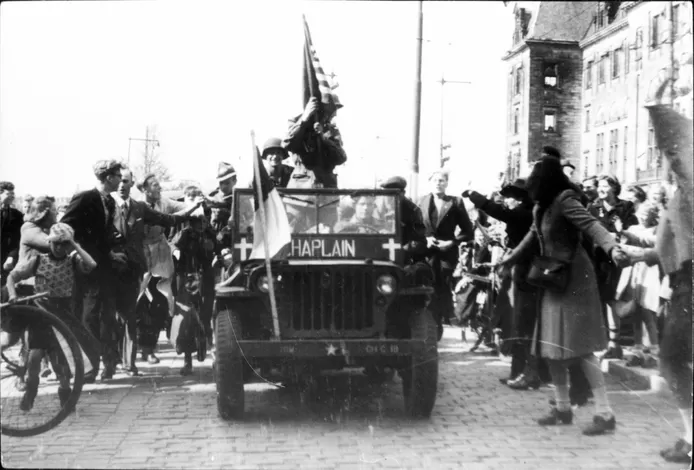
WWII Then & Now: The Forgotten Americans in The Liberation of the Netherlands

duda-wsm • April 4, 2021

The 104th Infantry Division 'Timberwolves'

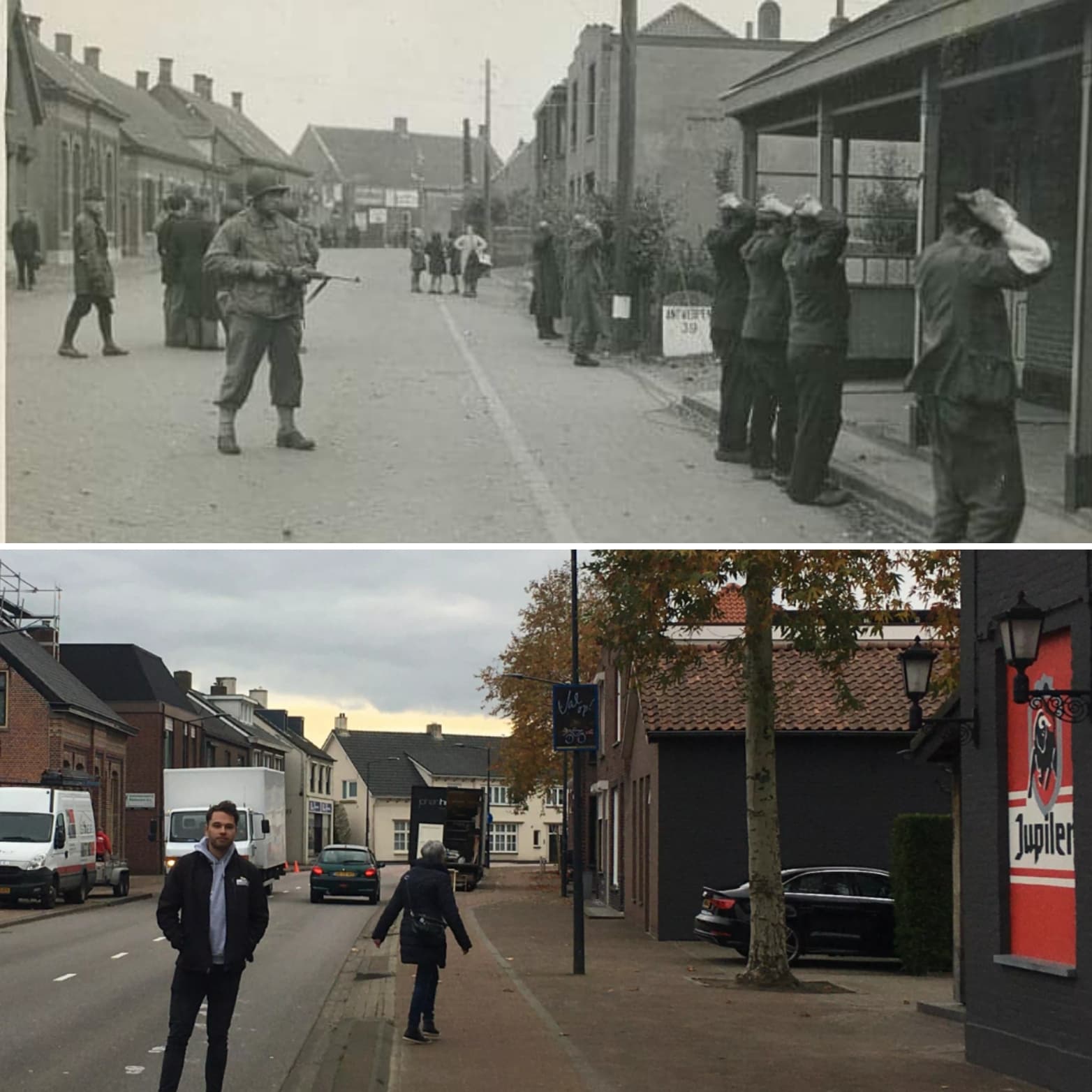
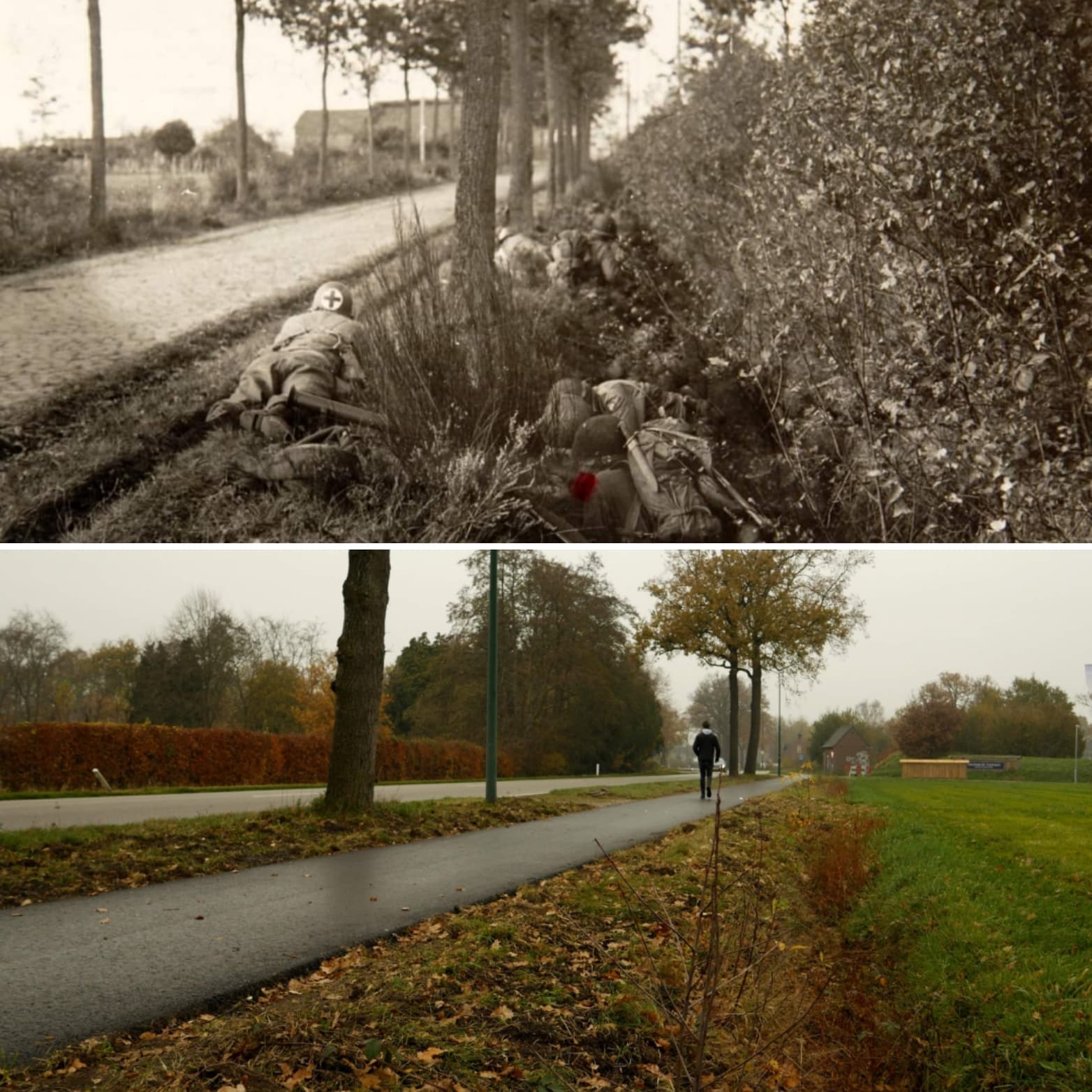
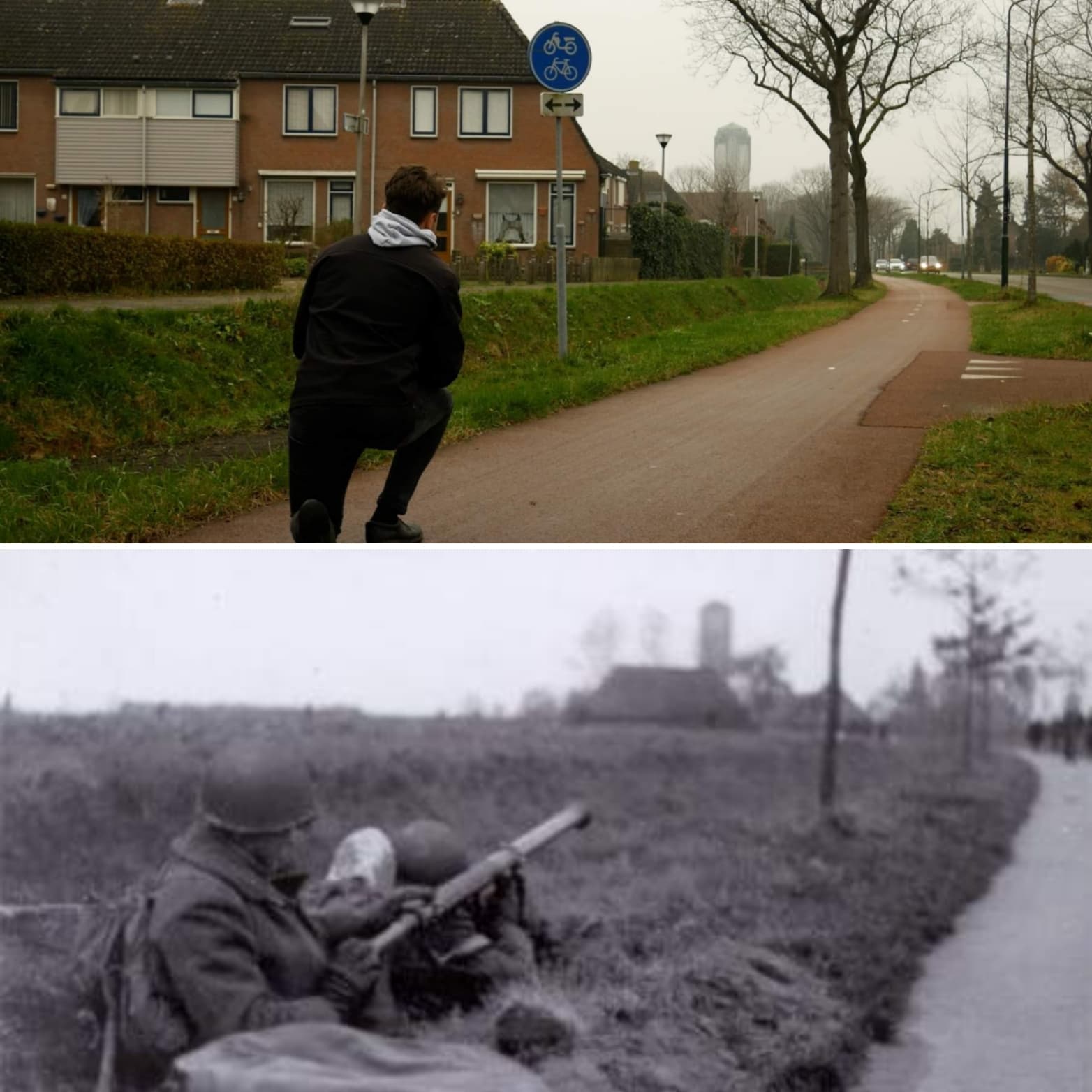
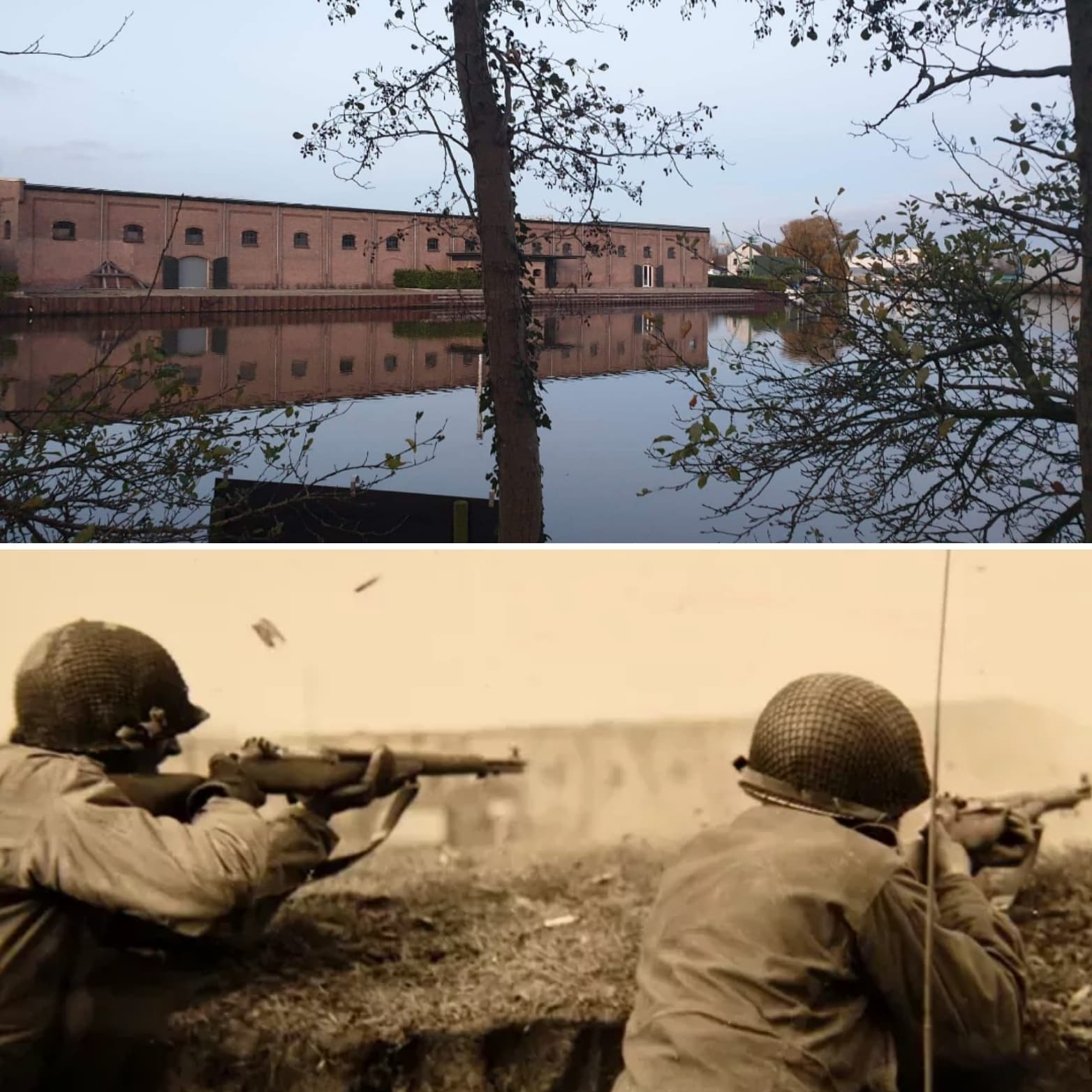
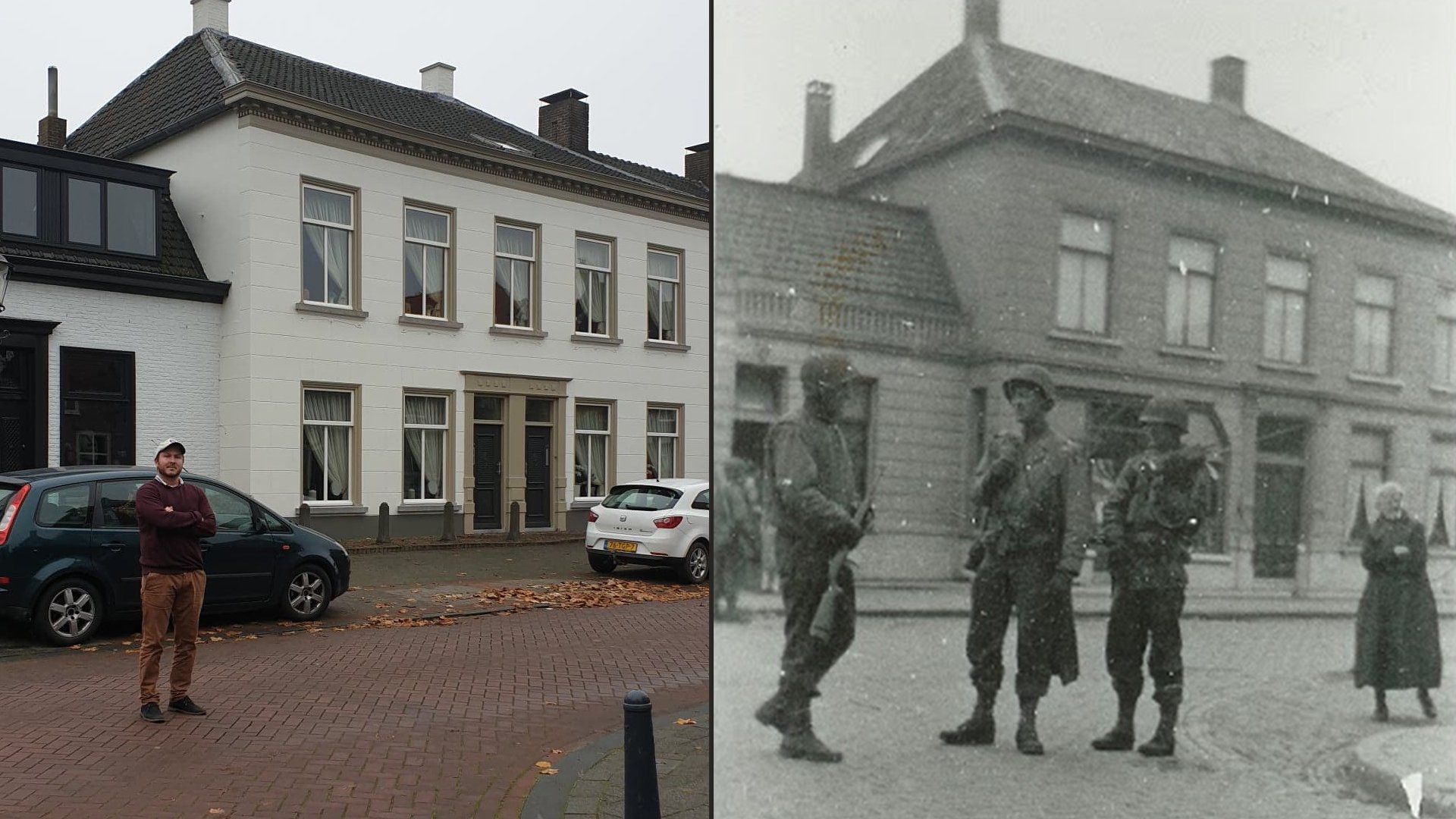
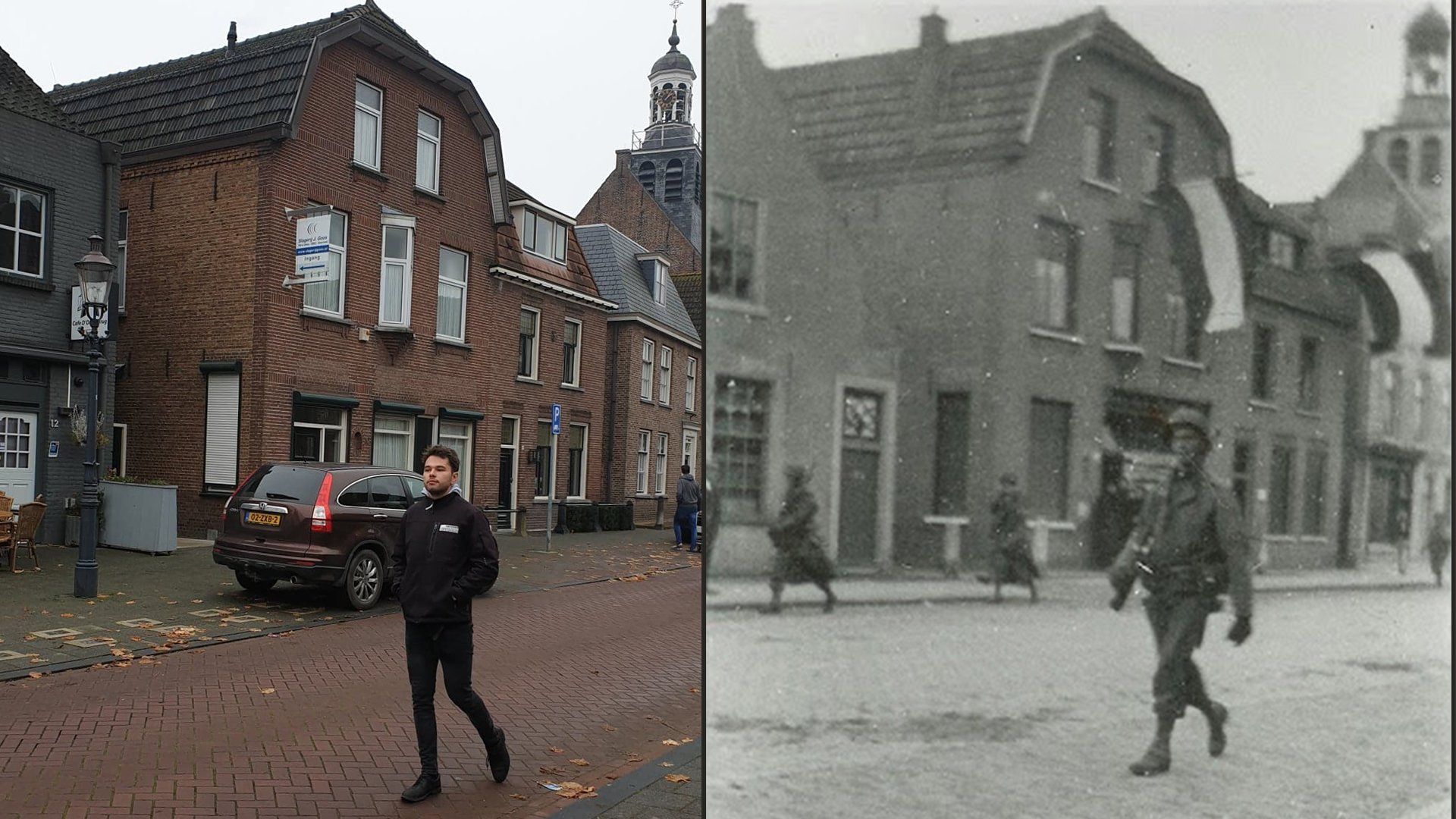
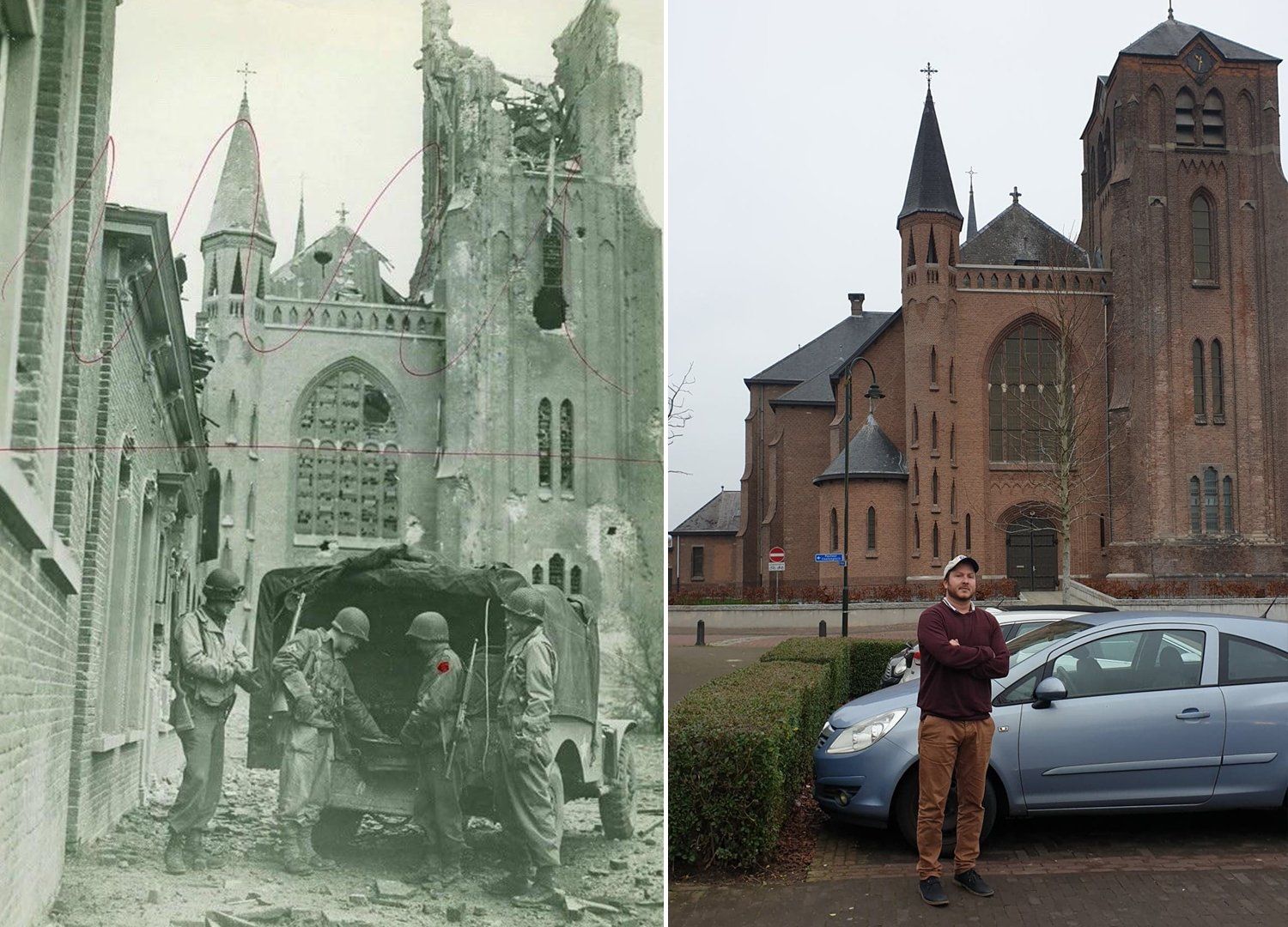
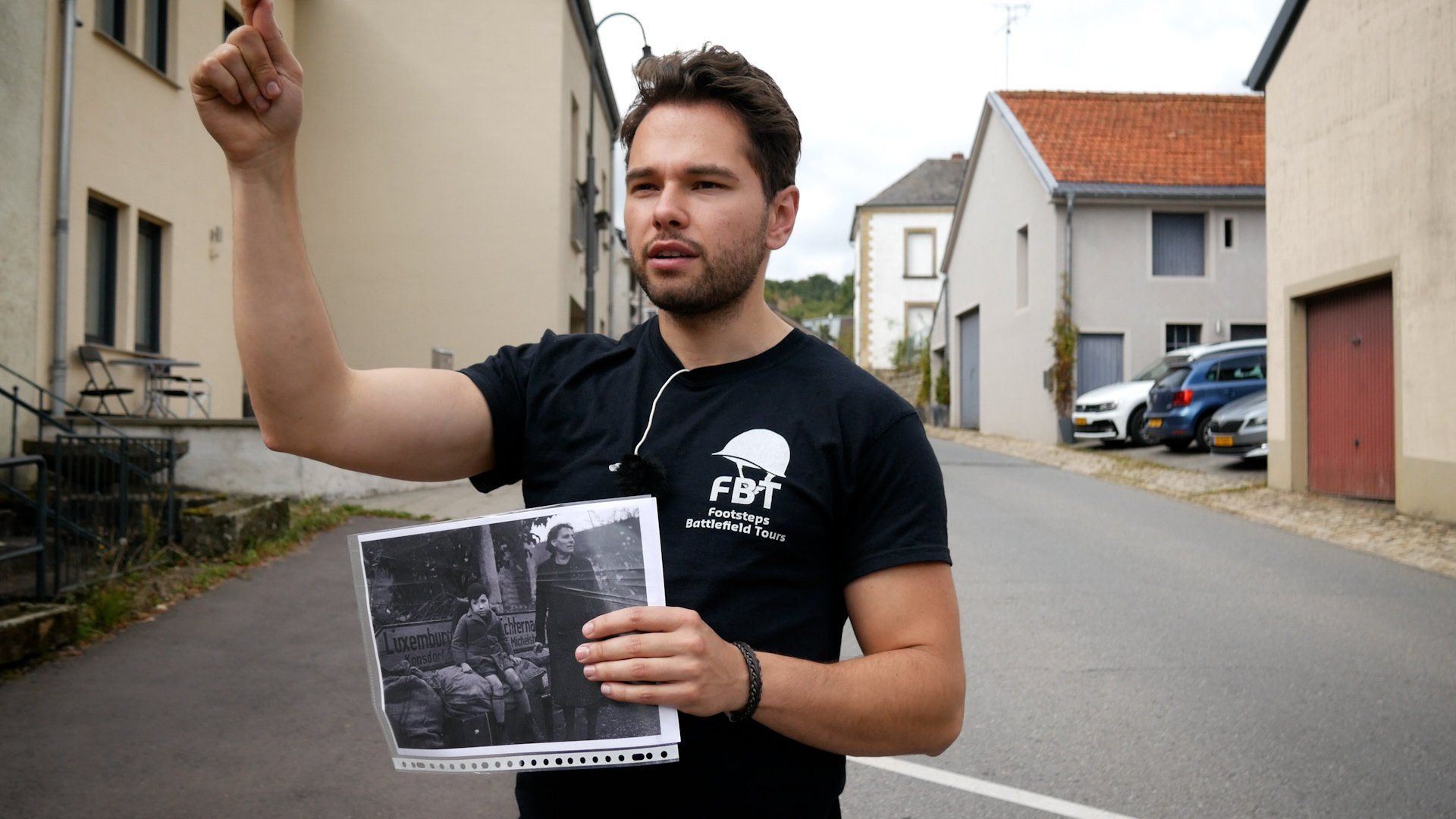
The US 104th Infantry Division, known as the Timberwolves, is one of the most unknown US units that took part in the liberation of The Netherlands. In this episode, WWII researchers & battlefield consultants Joey van Meesen and Florent Plana will walk in their footsteps and discover their courageous and heroic stories.


Market Garden Failed

After the breakout of Normandy in August 1944, it took the allies less than a month to reach the borders of Germany and The Netherlands. On September 17, 1944, Operation Market Garden took place which was planned in order to bypass the German West Wall Defensive line, and encircle the German industrial hearth in the Ruhr area. Up to that point it was the largest airborne operation in World War II. However, the operation failed and the hope to end the war before Christmas was over. All this time access to the Belgian port of Antwerp had not been secured and so the allied armies planned a series of operations to make this happen. This series of operations is also known as the Battle for the Scheldt and started on October 2nd , 1944


The Scheldt
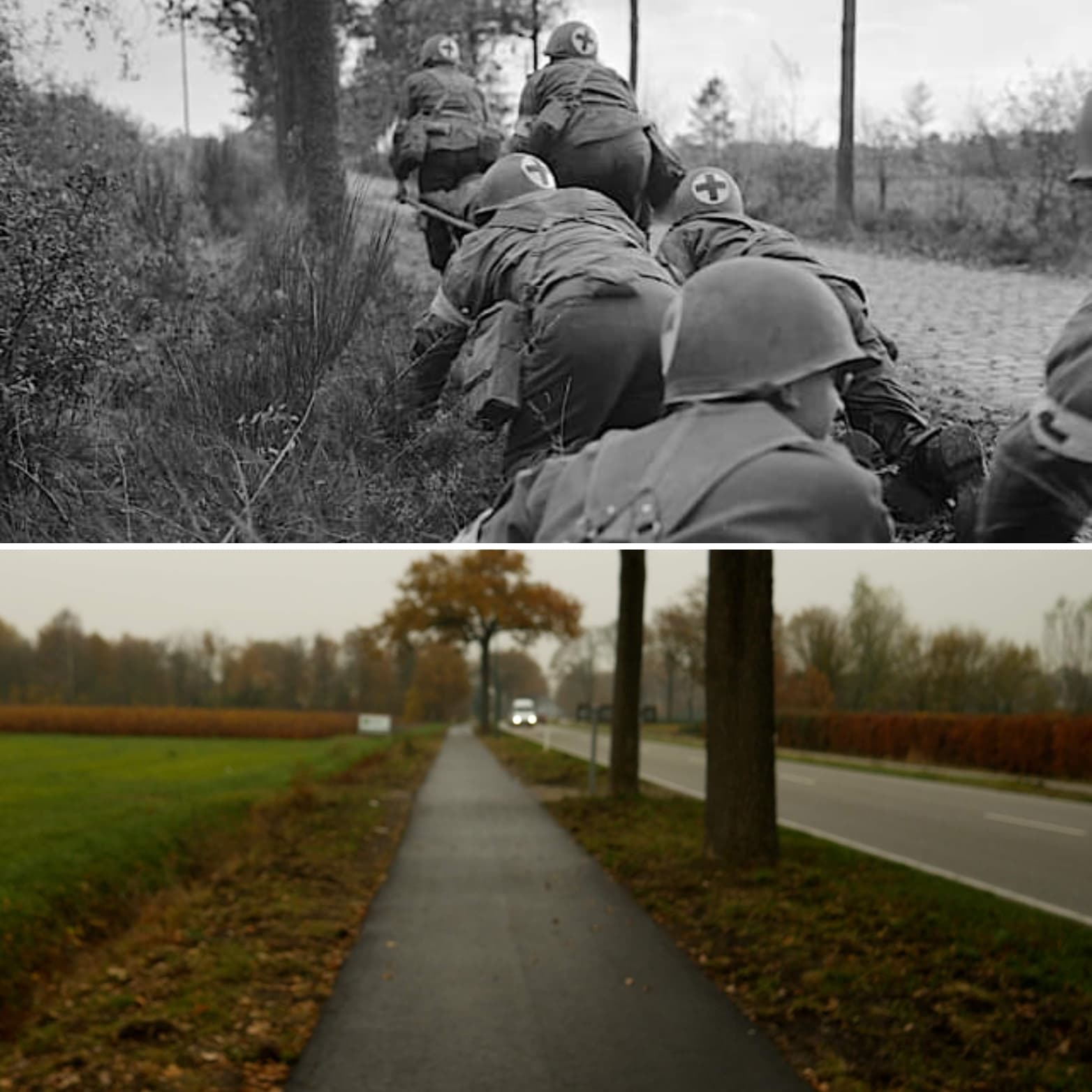
In order to support the ongoing battle for the Scheldt, the allies launched Operation Pheasant to clear the German troops from the Province of North Brabant in The Netherlands. The majority of Operation Pheasant was conducted by British, Canadian and Polish troops, but there was one American unit that took part in it as well. That unit was the US 104th Infantry Division nicknamed Timberwolves.


104th Infantry Division Then & Now in Holland 1944:
By duda-wsm December 25, 2021
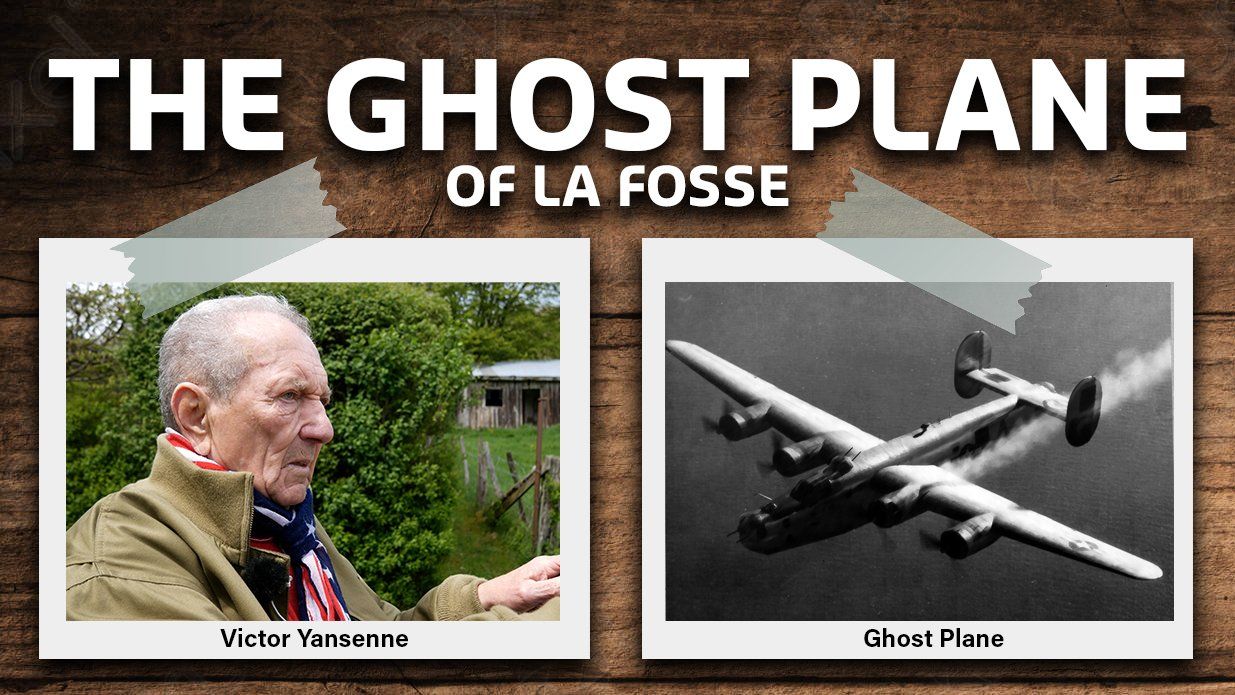
The Ghost Plane of La Fosse
By duda-wsm October 29, 2021
Dutch Researcher Searches and Finds Little Boy in 1944 Photograph
By duda-wsm July 3, 2021
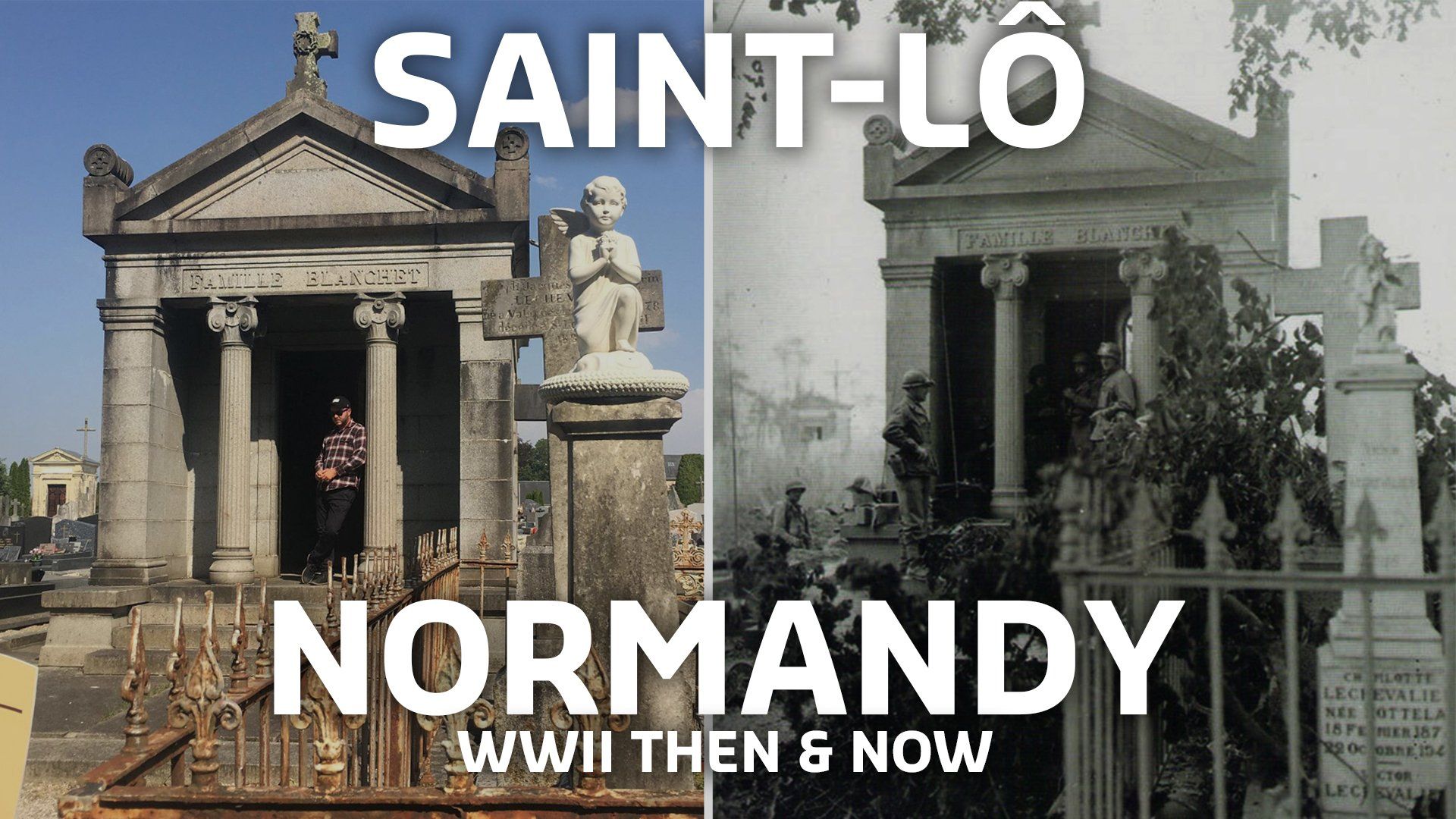
St. Lo 1944
By duda-wsm March 14, 2021
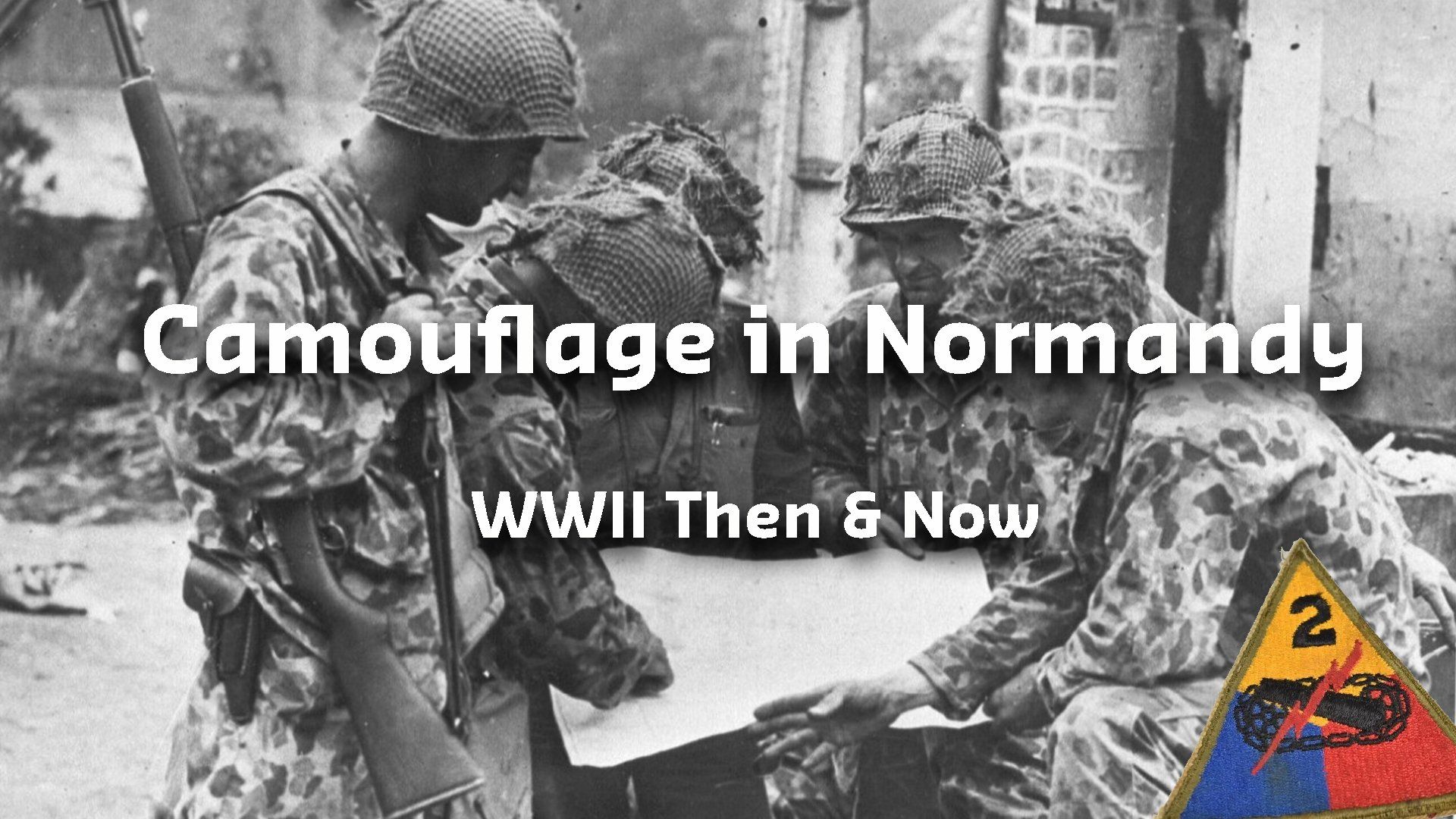
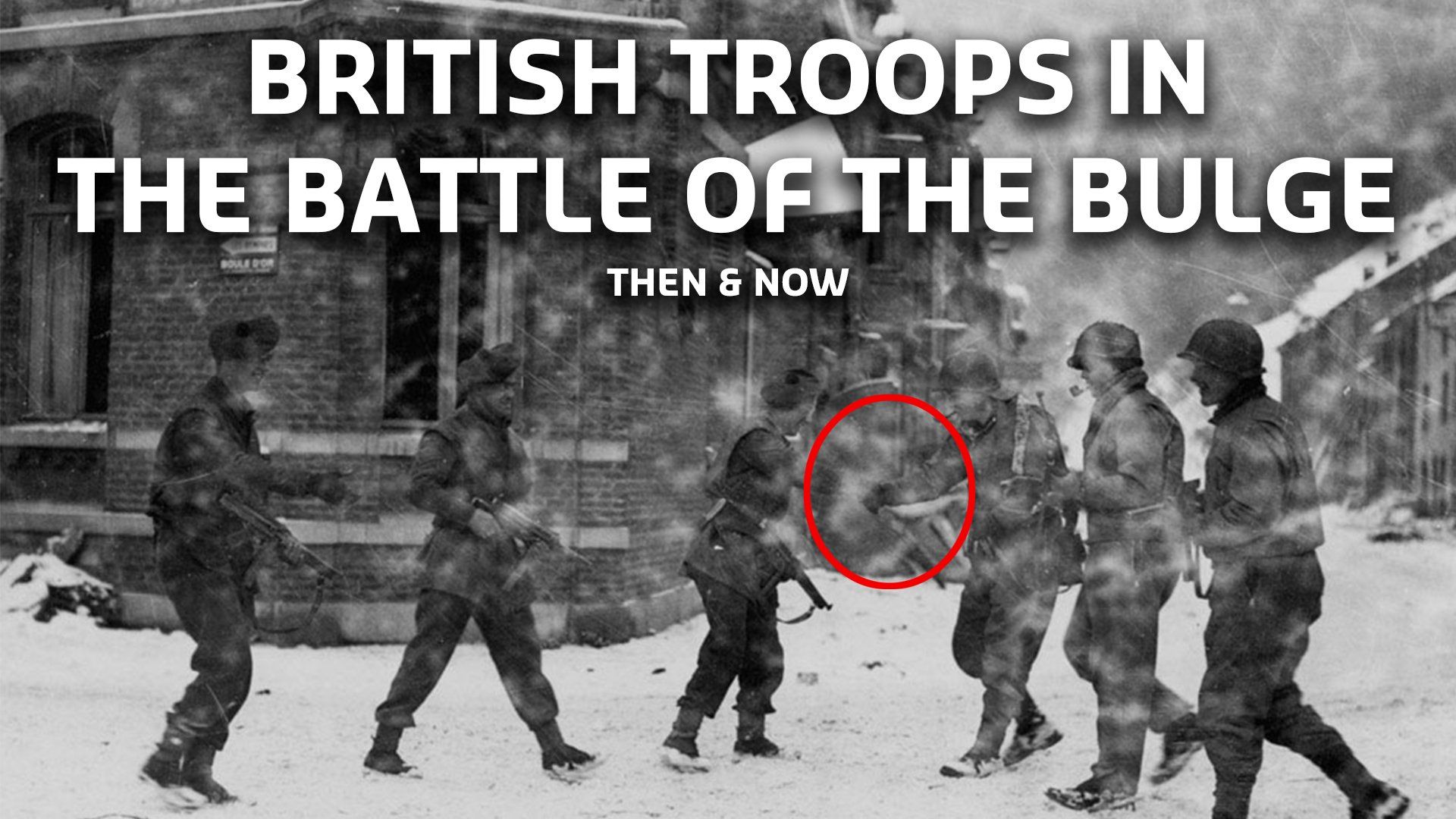
Color Photography During The Battle of the Bulge
Jaap Bothe Market Garden
By Joey van Meesen March 10, 2021
Jaap Bothe, a very well respected name within the history of the Dutch Korps Kommandotroepen , was a member of the No. 2 Dutch Troop. As a 16 year old, he started working as a servant on the S.S. Towa on the Dutch-South America line. In the port of Montevideo he witnessed the sinking of the German battle cruiser Graf von Spee in 1939. On his way home he witnessed the hell of Dunkirk and made an emergency stop in Cardiff, only to miss the boat back home. That same ship was torpedoed and Jaap Bothe had escaped death. Eventually, Bothe ended up in Canada and joined the Prinses Irene Brigade where also the No. 2. (Dutch) Troop was formed. In September 1944 some of these commando's were attached to several Airborne units to take part in Operation Market Garden. Jaap W. Bothe was attached to the 101st Airboren Division. He was given an American paratrooper uniform and US army equipment and came in by a glider near Son, Holland on September 18, 1944. During the flight, war correspondent and post-war TV-Host Walter Cronkite was sitting opposite him. Most of his tasks were related to translating and madiating between the Dutch civilians and American troops.
Bastogne December 1944 101st Airborne Noville
By Joey van Meesen January 8, 2021
BASTOGNE 2020 - For this year's anniversary of the Battle of the Bulge the team of SNAFU DOCS produced sevaral Then & Now videos. The Battle of the Bulge is a term for history buffs that is inseparable with the German Counter Offensive against the US frontlines in Belgium and Luxembourg that started on Decemeber 16, 1944. The offensive was intended to stop the Allied use of the Belgian port of Antwerp and to split the Allied lines, allowing the Germans to encircle and destroy four Allied armies and force the Western Allies to negotiate a peace treaty in the Axis powers' favor. The Battle of the Bulge was the largest battle ever fought by the US Army in World War II. In this episode of WWII Then & Now we travel around the city of Bastogne to take several Then & Now comparison photographs to cover the story of the 10th Armored Division and the 101st Airborne Division. Many thanks to WWII Researchers: Bob Konings , Joey van Meesen and Florent Plana for helping to produce this video.